


Agriculture jobs in the UK are now among the most accessible employment pathways for foreign workers in 2026. With official government-backed visa sponsorship, competitive wages, and a well-structured seasonal worker program, the United Kingdom actively recruits international candidates to fill critical gaps on its farms and in its growing sectors.
This guide covers everything you need to know: the types of agriculture jobs available, accurate 2026 salary figures, how the Seasonal Worker Visa works, which operators to trust, and how to protect yourself from scams. Whether you want to pick strawberries in Kent, work on a dairy farm in Scotland, or operate machinery in the English countryside, this article will help you start your UK farm work journey the right way.
Why Agriculture Jobs in the UK Are in High Demand in 2026
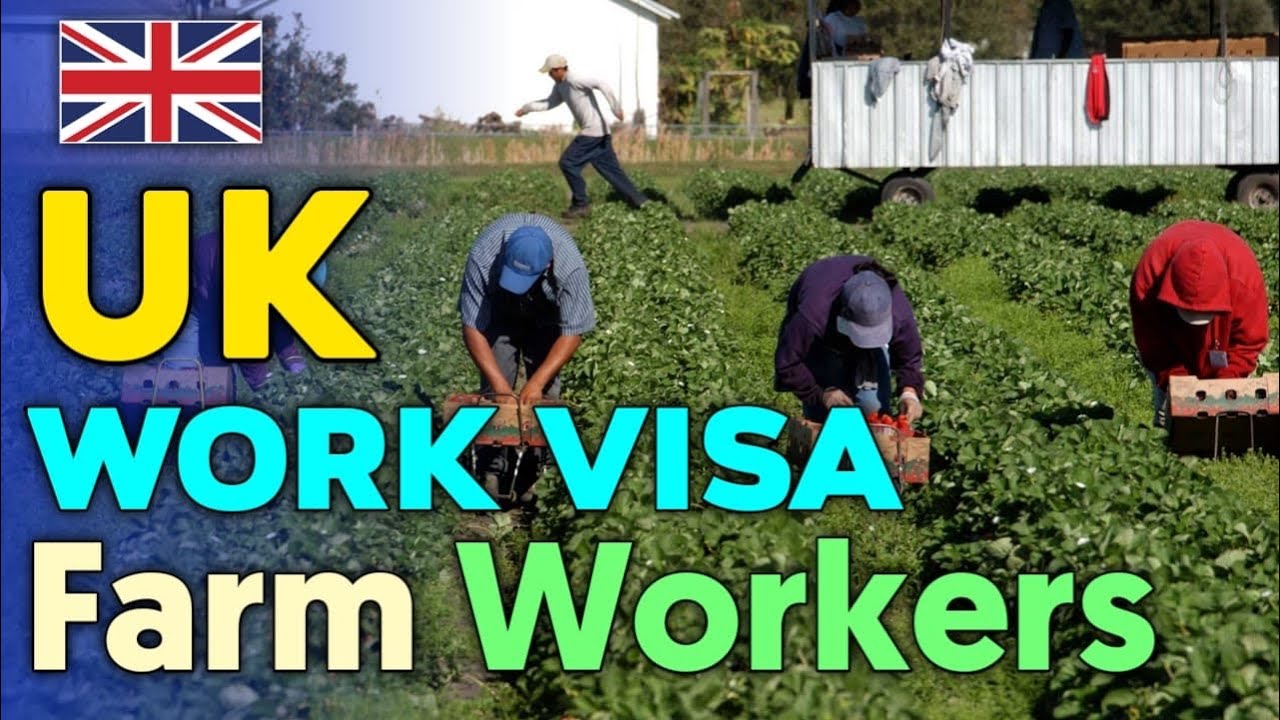
The United Kingdom faces a persistent and deepening labour shortage in its farming sector. Domestic workers increasingly move toward city-based industries, leaving hundreds of thousands of seasonal and permanent agricultural roles unfilled each year.
The Brexit Effect on UK Farm Labour
Before Brexit, UK farms depended heavily on workers from EU member states — particularly Romania, Bulgaria, and Poland. When freedom of movement ended in January 2021, that supply of labour dropped sharply. Farms across England, Wales, Scotland, and Northern Ireland immediately felt the gap.
To manage this, the UK government launched and repeatedly expanded the Seasonal Worker Visa scheme. By 2026, this programme allows up to 45,000 seasonal agricultural visas per year under the horticulture route alone. The government continues to review demand with the possibility of further expansion.
Growing Demand in Horticulture and Livestock
UK consumers buy more fresh produce domestically than ever before. Supermarket chains, farm shops, and export markets drive consistent demand for soft fruits, salad crops, vegetables, and dairy products. This means farming jobs in the UK are not just seasonal — permanent roles in livestock management, agri-tech, and greenhouse operations are also growing rapidly.
Key Statistics for 2026
- The UK horticultural sector employs over 70,000 seasonal workers per year.
- The National Farmers’ Union (NFU) estimates a labour deficit of 40,000+ workers during peak harvest periods.
- Agriculture contributes approximately £10.3 billion to the UK economy annually.
- Soft fruit production — strawberries, raspberries, blueberries — has grown by over 25% in the past decade.
Types of Agriculture Jobs in the UK for Foreign Workers
see also:Construction Worker Jobs in Canada 2026: Salaries, High Demand & Visa Pathways Explained
High Demand for IT Professionals in the UK: What You Need to Know
The range of agricultural jobs available to overseas applicants is broader than most people realise. While fruit picking gets the most attention, dozens of specialised roles exist across the farming supply chain.
Fruit Picker
Harvest strawberries, raspberries, blueberries, and apples. The most common entry-level farm role in the UK.
Vegetable Harvester
Pick, grade, and pack broccoli, lettuce, leeks, and root vegetables. Often includes outdoor field and packhouse work.
Greenhouse Worker
Tend tomatoes, cucumbers, and herbs in controlled growing environments. Year-round positions available.
Dairy Farm Assistant
Support milking routines, animal feeding, and herd health monitoring. Permanent roles widely available.
Poultry Worker
Handle egg collection, flock management, and quality control in commercial poultry units.
Agricultural Machine Operator
Operate tractors, combine harvesters, and specialist farm machinery. Requires prior experience or certification.
General Farm Labourer
Support daily farm operations including fencing, irrigation, land maintenance, and loading.
Packhouse Operative
Sort, grade, weigh, and pack produce for supermarket supply chains. Fast-paced indoor environment.
Salary for Agriculture Jobs in the UK in 2026
Pay rates for agricultural workers in the UK are regulated. As of April 2026, all workers — including those on seasonal visas — must be paid at least the UK National Living Wage. No employer may legally pay below these rates, regardless of the worker’s nationality.
Job Role |
Hourly Rate (£) |
Weekly Earnings (Est.) |
Notes |
|---|---|---|---|
| Fruit Picker / Harvester | £11.44 – £13.00 | £458 – £520 | Piecework bonuses common at peak harvest |
| Vegetable Grader / Packhouse | £11.44 – £12.50 | £458 – £500 | Regular hours, overtime available |
| Greenhouse / Nursery Worker | £11.80 – £13.50 | £472 – £540 | Year-round roles; higher in specialist nurseries |
| Dairy Farm Assistant | £12.00 – £14.50 | £480 – £580 | Often includes on-farm accommodation |
| Poultry Worker | £11.44 – £13.00 | £458 – £520 | Shift work; weekend premiums apply |
| Farm Machine Operator | £14.00 – £18.00 | £560 – £720 | Experience required; higher in arable regions |
| General Farm Labourer | £11.44 – £12.80 | £458 – £512 | Entry-level; varies by farm size |
Understanding Accommodation Deductions
Many UK farm employers offer on-site accommodation to seasonal workers. This is convenient, especially in rural areas with limited housing. However, employers are legally permitted to deduct accommodation costs from your wages — up to a maximum of £10.82 per day (the 2026 accommodation offset rate, as set by HMRC).
Important on Pay
After accommodation deductions, your take-home pay must still meet the National Living Wage. If a deduction takes your pay below the legal minimum, this is illegal. Always request a written payslip from your employer and check the deduction figures carefully.
Overtime and Piecework Bonuses
During peak harvest periods — typically June through October — many farms offer overtime pay and piecework incentives. Piecework means you earn extra money for picking above a set daily target. Fast workers can earn significantly more than the standard hourly rate during these periods. Some workers report weekly earnings of £600–£750 during high-demand weeks.
Visa Sponsorship for Agriculture Jobs in the UK
The primary visa route for international agricultural workers is the UK Seasonal Worker Visa. This visa allows foreign nationals to come to the UK for farm work on a temporary basis, sponsored by an approved operator.
What Is the Seasonal Worker Visa?
The Seasonal Worker Visa (Subclass T5) allows eligible workers to stay in the UK for up to 6 months to do seasonal work in horticulture or poultry production. You cannot extend this visa or switch to a different visa while in the UK on this route.
Who Can Apply?
You are eligible if you:
- Are a national of an eligible country (the UK accepts applications from a wide range of countries — check the latest GOV.UK guidance for your nationality)
- Are aged 18 or over
- Have a valid Certificate of Sponsorship (CoS) from a UK government-approved operator
- Can demonstrate sufficient funds to support yourself (approximately £1,270 in your bank account)
- Have a valid passport
- Do not have a criminal record that would prevent entry
How Visa Sponsorship Works
You cannot apply directly to the UK government for this visa. The sponsorship process works through approved operators. Here is how the chain works:
- A UK farm employer partners with a government-approved seasonal worker operator.
- The operator recruits workers from overseas on behalf of the farm.
- Once selected, the operator issues you a Certificate of Sponsorship (CoS).
- You use the CoS number to apply for your Seasonal Worker Visa online.
Visa at a Glance
- Visa type: Seasonal Worker Visa (T5)
- Maximum stay: 6 months (horticulture); up to 3 months (poultry)
- Application fee: £298 (as of 2026)
- Healthcare surcharge: Varies by duration
- Processing time: Up to 3 weeks from outside the UK
- You cannot: Bring family members, access public funds, or extend this visa inside the UK
Documents Required for the Visa
- Valid passport (at least 6 months remaining validity)
- Certificate of Sponsorship reference number
- Bank statements showing at least £1,270 in funds (or confirmation your employer will cover costs)
- Proof of travel plans
- Biometric information (fingerprints and photograph at a visa application centre)
- Tuberculosis (TB) test results if required for your country
How to Apply for Agriculture Jobs in the UK: Step-by-Step
Applying for UK farm jobs with visa sponsorship follows a clear process. Follow these steps carefully to avoid delays and scams.
-
Research and Choose an Approved OperatorVisit the UK government website to find the official list of approved seasonal worker operators. Only apply through operators on this list. Do not use unofficial agents or recruitment websites that charge you upfront fees.
-
Submit Your Application to the OperatorGo directly to your chosen operator’s official website. Fill in their application form with your personal details, work experience, and availability dates. Most operators recruit for roles starting between March and November.
-
Receive Your Certificate of Sponsorship (CoS)Once the operator selects you and matches you with a farm, they will issue a Certificate of Sponsorship electronically. This document contains a unique reference number you will need for your visa application.
-
Apply for the Seasonal Worker Visa OnlineGo to the official UK government visa application portal at gov.uk. Enter your CoS reference number, personal information, and financial details. Pay the visa application fee (around £298) and the healthcare surcharge online.
-
Submit Biometrics at a Visa Application CentreBook an appointment at a UK Visa and Citizenship Application Services (UKVCAS) or Visa Application Centre (VAC) in your country. Attend to provide your fingerprints, photograph, and any original documents.
-
Receive Your Visa DecisionProcessing typically takes up to 3 weeks. Once approved, you will receive a visa vignette sticker in your passport. Check all details are correct immediately upon receipt.
-
Travel to the UK and Start WorkBook your flights and inform your operator of your arrival date. Your employer or operator will usually arrange transport from the airport to the farm. On arrival, your employer will complete right-to-work checks before your first shift.
Official Websites to Apply for Agriculture Jobs in the UK
Always use official UK government sources. The links below are verified and current as of 2026. Bookmark these pages before you begin your application.
- Seasonal Worker Visa — Overviewhttps://www.gov.uk/seasonal-worker-visa
- Apply for the Seasonal Worker Visahttps://www.gov.uk/seasonal-worker-visa/apply
- Guidance for Workers on Seasonal Farm Workhttps://www.gov.uk/guidance/seasonal-work-on-farms-guidance-for-workers
- UK Government Job Search Portalhttps://www.gov.uk/find-a-job
- All UK Work Visa Optionshttps://www.gov.uk/browse/visas-immigration/work-visas
Pro Tip
Save each URL and check it directly in your browser rather than clicking links from emails or social media posts. Scammers frequently create fake websites that copy the design of official government pages.
UK Approved Seasonal Worker Scheme Operators
The UK government authorises a select group of operators to manage the Seasonal Worker Scheme. These organisations act as the bridge between farms and overseas workers. They hold a government licence and are legally accountable for worker welfare.
As of 2026, the main approved operators under the horticulture route include:
- CO
- Concordia
- AG
- AGRI-HR
- FJ
- Fruitful Jobs
- PF
- Pro-Force
- HP
- HOPS Labour Solutions
- RE
Recruitment House
This list may change. Always verify the current list of approved operators by checking gov.uk before applying. Operators not on the official list cannot legally issue a Certificate of Sponsorship. Any agent claiming to offer sponsorship outside this framework is operating illegally.
What Do Approved Operators Actually Do?
Approved operators handle the logistics of international agricultural recruitment. Their services typically include:
- Issuing your Certificate of Sponsorship electronically
- Coordinating your placement with a specific farm
- Arranging transport from UK airports to farm locations
- Providing pre-departure information on wages, accommodation, and working conditions
- Acting as a point of contact if employment disputes arise
Requirements for Foreign Applicants Seeking Agriculture Jobs in the UK
Before you apply for any UK agricultural role through a seasonal worker visa, ensure you meet all of the following requirements. Missing even one document can delay your application significantly.
| Requirement | Details | Mandatory? |
|---|---|---|
| Valid Passport | Must be valid for the duration of your visa. At least 6 months remaining is strongly recommended. | Yes |
| Certificate of Sponsorship | Issued by your approved operator after successful selection. | Yes |
| Financial Proof | Bank statements showing at least £1,270 held for 28 consecutive days before applying. | Yes (unless employer certifies maintenance) |
| Biometrics | Fingerprints and photograph at an approved visa centre. | Yes |
| TB Test Results | Required if you are from a listed country. Check GOV.UK for your country’s status. | Country-dependent |
| English Language | Not required for the Seasonal Worker Visa. Basic spoken English is practical for safety briefings. | Not mandatory |
| Criminal Record Check | You must not have a criminal conviction that would bar your entry to the UK. | Yes |
| Age | Must be 18 years or older at the time of application. | Yes |
Tips to Avoid Agriculture Job Scams When Applying from Abroad
Unfortunately, fake job offers targeting people seeking farming jobs in the UK are common. Scammers often target applicants from developing countries who are unfamiliar with the UK immigration system. Knowing the warning signs can protect you from losing money — or worse, entering the UK illegally.
Common Scam Tactics to Watch For
- Upfront payment demands: Legitimate operators and employers never charge you a fee to secure your job placement or Certificate of Sponsorship. If anyone asks for money to “reserve” your spot, it is a scam.
- Unofficial visa agents: Some individuals pose as “visa agents” and promise to get you a UK farm work visa quickly for a fee. Only the approved operators listed on GOV.UK can legally issue a CoS.
- Fake job adverts on social media: WhatsApp groups, Facebook pages, and Telegram channels frequently circulate fraudulent UK farm job offers. Always cross-check any job offer against the operator’s official website.
- Promises of guaranteed visa approval: No one outside the UK Home Office can guarantee visa approval. Anyone making this promise is lying.
- Requests for passport copies via unverified channels: Be careful about sending personal documents to individuals you have not verified through official channels.
- Offers that do not mention an approved operator: Every legitimate UK seasonal farm job with visa sponsorship links back to one of the government-approved operators. If a job offer does not reference these, it is suspect.
Stay Safe: Quick Checklist
- Verify the operator at gov.uk before applying
- Never pay a recruitment fee
- Apply directly through the operator’s official website
- Cross-check the employer’s UK Companies House registration
- Report scams to Action Fraud UK: actionfraud.police.uk
Is Pursuing Agriculture Jobs in the UK Worth It in 2026?
This is a fair question. Seasonal farm work is physically demanding, and life in rural England or Scotland is very different from urban life. Before you apply, weigh both sides honestly.
Pros
- Legal, government-backed visa pathway
- Competitive wages above the UK minimum wage
- Accommodation often provided on-site
- Opportunity to save money in a strong currency (GBP)
- Work experience in a developed country
- Possible to return for multiple seasons
- Strong worker protections under UK labour law
- Clear and transparent application process
Cons
- Physically demanding outdoor work
- Maximum 6-month stay — no pathway to permanent residency via this visa
- Rural locations can feel isolated
- Accommodation deductions reduce take-home pay
- Weather can disrupt work hours (outdoor roles)
- High competition for places during peak recruitment
- No right to bring dependants on this visa
For many international workers, the UK Seasonal Worker Visa is genuinely worth it — especially those looking to earn in pounds sterling, build formal work experience, or save capital to invest back home. The key is going in with realistic expectations and applying through official channels only.
If you want to stay in the UK longer term, agriculture can also serve as a stepping stone. Some workers transition from seasonal roles into permanent farm positions with Skilled Worker Visa sponsorship, particularly in dairy, agri-tech, and management roles.
Conclusion: Your Path to Agriculture Jobs in the UK Starts Here
Agriculture jobs in the UK represent one of the most accessible, well-regulated, and legitimate pathways for international workers in 2026. The British government actively supports overseas recruitment through the Seasonal Worker Visa scheme — and the demand for farm labour shows no signs of easing.
To recap what you need to do: research the approved operators on gov.uk apply directly through their official websites, secure your Certificate of Sponsorship, and submit your visa application through the official portal. Never pay any agent a fee, and never trust unofficial offers on social media.
The UK farm sector needs you, and the legal pathway to work there is clearer than ever. Take your first step today by visiting the official resources below and applying through an approved operator.
Ready to Start Your UK Farm Work Journey?
Visit the official UK government portal to explore approved operators, check visa requirements, and start your application today — safely and for free.