
Why New Zealand Needs Foreign Farm Workers in 2026
New Zealand’s agricultural labour shortage has deepened over the last decade, and it shows no signs of resolving itself through domestic recruitment alone. Many New Zealanders are choosing urban careers, leaving rural employers in places like Canterbury, Waikato, and Hawke’s Bay perpetually short-staffed during peak seasons and year-round in dairying.
The horticulture industry alone contributes over NZD $7 billion to annual export earnings, a figure that has grown steadily since 2007. Without a reliable pipeline of foreign farm workers, that growth is at risk. Dairy, which underpins the country’s largest single export commodity — whole milk powder — faces similar pressure, with farm owners struggling to fill animal husbandry and milking positions year-round.
For foreigners, this demand translates directly into opportunity. Employers are motivated to sponsor visa applications because the alternative is leaving machinery idle and crops unharvested. That is a meaningful advantage for anyone entering the New Zealand agricultural jobs market from overseas.
Key Industry Facts — 2026
- Horticulture and viticulture generate over NZD $7 billion in annual exports
- Dairy farming is NZ’s single largest export earner
- 20,750 RSE scheme places allocated for the 2025–26 season — up 6.4% year-on-year
- Chronic shortfalls in milkers, tractor operators, orchard workers, and vineyard hands
Types of New Zealand Farm Jobs Available
See also:Spain Farm Jobs for Foreigners: Seasonal Agricultural Work With Visa Sponsorship 2026
New Zealand agricultural jobs span a wide range of skill levels and physical demands. Understanding the specific roles helps you target your search, tailor your CV, and choose the right visa pathway from the outset.
Dairy Farm Jobs
Year-roundVisa-sponsoredOn-farm housing common
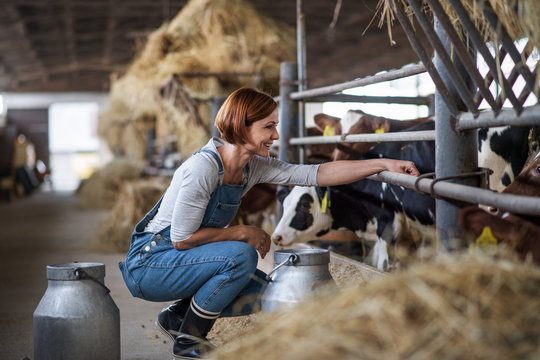
Dairy farm jobs in New Zealand are among the most consistently available positions for foreigners. Roles include Farm Assistant (milking, feeding calves, pasture management), 2IC (Second-in-Charge), and Farm Manager, with the latter two requiring more experience.
Most dairy operations run on roster structures rather than standard nine-to-five schedules. The most common are a 5-on, 2-off pattern for farm assistants and an 11-on, 3-off roster on smaller owner-operated properties. Calving season (late July–September) brings the most intense work demands and, often, the highest hiring urgency.
Waikato, Canterbury, Southland, and Manawatū are the main dairy regions. Many farms provide on-site housing as part of the employment package, which significantly reduces living costs.
Fruit Picking and Horticulture Jobs
SeasonalRSE / Working HolidayHawke’s Bay, Nelson, Otago
Seasonal farm jobs in horticulture are the most accessible route for first-time visitors. Fruit picking jobs in New Zealand typically run from January to May, covering apples, kiwifruit, pip fruit, and stonefruit across regions like Hawke’s Bay, Nelson, Central Otago, and Bay of Plenty.
Pay is either hourly (at or above minimum wage) or piece-rate, where experienced pickers can out-earn hourly workers significantly. Horticulture roles also include bin-filling, pruning, thinning, and packhouse work — the latter is less physically demanding and suits those who prefer indoor conditions.
Poultry and Livestock Jobs
Year-roundAEWV eligible
Poultry farm workers are needed on broiler and egg-laying operations around Waikato, Auckland, and Marlborough. Tasks include shed management, feeding schedules, health monitoring, and biosecurity compliance.
Sheep and beef livestock roles are widely available across the South Island’s high-country stations. Shepherding, mustering, drenching, and shearing are the core skills sought, with experienced mustering teams able to command above-average pay. Many stations also provide fully equipped accommodation for workers.
Viticulture (Vineyard) Jobs
Seasonal peak: harvest (Feb–Apr)RSE / Working HolidayMarlborough, Hawke’s Bay, Central Otago
Vineyard jobs in New Zealand have grown substantially alongside the wine export boom. Harvest season from February to April draws the largest demand, but year-round roles exist in pruning (June–August), shoot thinning, leaf plucking, and machinery operation.
Marlborough’s Wairau Valley is the heartland of New Zealand viticulture, but Central Otago’s Pinot Noir vineyards and Hawke’s Bay’s Gimblett Gravels also recruit heavily. Many growers specifically prefer workers with prior viticulture or orchard experience.
Visa Sponsorship for Foreign Workers in 2026
Getting the right visa is the critical step that separates a successful move from a costly mistake. New Zealand offers several pathways for foreign farm workers, each with different eligibility criteria, duration, and employer requirements.
Accredited Employer Work Visa (AEWV)
The AEWV is New Zealand’s primary employer-sponsored work visa and the main route for foreigners seeking long-term New Zealand agricultural jobs. It is an employer-led process, meaning your employer initiates the first two stages before you lodge your own application.
2026 AEWV Key Rules for Farm Roles (ANZSCO Level 4 & 5)
- Minimum wage: NZD $23.50 per hour (the median wage requirement was removed in March 2025)
- Visa duration: Up to 3 years for ANZSCO Level 4–5 roles
- Maximum continuous stay: 3 years, after which a 12-month stand-down applies
- Experience required: A minimum of 2 years’ relevant work experience (reduced from 3 years in March 2025)
- English language: IELTS 5.0 overall (or equivalent) required for Level 4–5 applicants
- Labour market advertising: Employers must declare in good faith that they advertised the role with Work and Income NZ (WINZ) and interviewed any suitable domestic candidates
- Family rights: Partners and children are not automatically covered for Level 4–5 roles; exceptions apply if the worker earns NZD $55,844+ annually
- 5-year visa eligibility: Available for Level 4–5 roles if paying 1.5x the median wage (NZD $50.34/hr as of August 2025 update)
The AEWV process has three stages. First, the employer applies for Accreditation. Second, they submit a Job Check, proving no suitable New Zealander is available. Third, you — the worker — apply for your individual visa using a token issued after the Job Check is approved.
Important 2026 Update
From August 2025, Immigration New Zealand adopted a new median wage of NZD $33.56 per hour. This affects the 80% threshold for family work rights (now NZD $26.85/hr) and the 1.5x threshold for 5-year Level 4–5 visas (now NZD $50.34/hr). Standard farm roles at minimum wage remain eligible for 3-year AEWVs without the median wage floor.
Working Holiday Visa & Recognised Seasonal Employer (RSE) Scheme
For foreigners from Working Holiday Visa partner countries — including the UK, Germany, Japan, South Korea, Canada, Ireland, and many others — this is the fastest and most flexible entry route. You can arrive, find seasonal farm work independently, and stay up to 12 months (with options to extend to 2–3 years if you complete farm work in regional New Zealand).
The Recognised Seasonal Employer (RSE) Scheme is specifically for citizens of eligible Pacific Island nations: Fiji, Kiribati, Marshall Islands, Micronesia, Nauru, Palau, Papua New Guinea, Samoa, Solomon Islands, Timor-Leste, Tonga, Tuvalu, and Vanuatu. For the 2025–26 season, the RSE scheme capacity was increased to 20,750 places — a 6.4% rise over the prior season.
RSE visas are employer-specific and cover horticulture and viticulture work for up to 7 months (9 months for Tuvalu and Kiribati nationals, given travel distance). Workers returning for a third season or more must be paid at least 10% above the minimum wage rate.
Key Requirements for Foreign Applicants For New Zealand Farm Jobs
Regardless of which visa pathway applies to you, expect to meet the following baseline requirements:
Work Experience
For AEWV Level 4–5 roles, you need a minimum of 2 years of relevant agricultural or farming experience. Supporting evidence such as reference letters, payslips, or an employment record significantly strengthens your application.
English Language Proficiency
ANZSCO Level 4–5 AEWV applicants must demonstrate English proficiency. IELTS Academic or General Training with a minimum overall score of 5.0 is the standard benchmark. Approved alternatives include TOEFL iBT (35+), PTE Academic (36+), or Pearson English (43+).
Medical and Chest X-ray
A medical examination is required for most applicants, along with a chest X-ray to screen for tuberculosis. Specific requirements depend on your country of origin and the intended length of stay.
Police Clearance
A police certificate from your country of residence is required for AEWV applications where the stay is 24 months or longer. From December 2025, you must provide the actual certificate — not just the application receipt — at the time of applying.
Accredited Job Offer
You must have a job offer from a New Zealand employer who holds AEWV Accreditation from Immigration New Zealand. Without this, your individual visa application cannot proceed.
Salary and Benefits of New Zealand Farm Jobs
Pay in New Zealand’s agricultural sector varies meaningfully by role, region, and experience level. The removal of the median wage requirement for AEWV Level 4–5 roles in March 2025 means some entry-level farm positions now sit at or just above the minimum wage floor — though many employers pay considerably more to attract and retain quality workers.
Role |
Hourly Rate (NZD) |
Annual Salary (NZD) |
Notes |
|---|---|---|---|
| Farm Assistant (General) | $23.50 – $27.00 | $44,000 – $54,000 | Entry level; on-farm housing often included |
| Dairy Farm Worker | $24.00 – $28.00 | $47,000 – $58,000 | 5-2 or 11-3 rosters; housing standard |
| Dairy 2IC / Herd Manager | $28.00 – $35.00 | $58,000 – $72,000 | Experienced only; housing + vehicle common |
| Fruit Picker / Harvester | $23.50 – $27.00 | Seasonal (3–5 months) | Piece-rate available for experienced pickers |
| Vineyard / Viticulture Worker | $24.00 – $29.00 | Seasonal / Year-round | Pruning off-season adds year-round viability |
| Livestock / Shepherd | $25.00 – $32.00 | $50,000 – $65,000 | High-country stations offer free accommodation |
| Packhouse Worker | $23.50 – $26.00 | Seasonal | Steadier hours; good for those new to NZ farming |
| Sources: SEEK NZ, Indeed NZ, ERI SalaryExpert, Jobted NZ — May 2026. NZD minimum wage: $23.50/hr (as of April 2025). | |||
Non-Cash Benefits Worth Noting
On-farm accommodation is a significant benefit that is easy to overlook when comparing salaries. Many dairy farms and high-country sheep stations provide rent-free or heavily subsidised housing on-site. In regions where weekly rent can exceed NZD $350–$500, this effectively adds NZD $18,000+ to your real annual compensation.
Other common benefits include shared utilities, free or discounted firewood, internet access, and use of farm vehicles. Some larger operations also provide uniform allowances and subsidised meals during busy periods such as calving.
Visa Compliance Note
For AEWV applicants, your offered wage must meet at minimum the NZD $23.50/hr floor and align with the market rate for the role. If you are aiming to bring family, note the NZD $55,844/year annual threshold for dependant child support. The 5-year AEWV for Level 4–5 roles requires earnings of NZD $50.34/hr or above.
How to Apply for New Zealand Farm Jobs
Applying for New Zealand agricultural jobs from overseas requires more coordination than a domestic job search. The process involves employer steps that happen before your visa application, so understanding the sequence matters.
Research roles and target regions
Identify the role type (dairy, horticulture, viticulture, livestock) and region that suits your background. Dairy roles in Waikato and Canterbury run year-round. Horticulture and vineyard roles peak January–April. Tailor your search accordingly rather than applying broadly.
Build a New Zealand-style CV
NZ employers value practical, results-focused CVs. Lead with a short professional summary, then list experience chronologically. Highlight specific machinery competencies (tractors, milking plant, irrigation systems), animal handling experience, physical fitness, and any relevant certificates (e.g., first aid, forklift, pesticide handling). Keep it to 2 pages maximum.
Apply through verified job portals
Use SEEK NZ, Indeed NZ, and industry-specific platforms (listed in the next section). When applying, include a brief cover letter that mentions your visa eligibility and your flexibility on accommodation. Many employers receive dozens of generic applications — specificity stands out.
Receive and confirm a job offer
Once an employer offers you a position, confirm that they are an AEWV-accredited employer or are willing to begin the accreditation process. Ask explicitly — not all advertisers are already accredited, and some smaller farms may need time to complete this step.
Employer lodges the Job Check
Your employer submits a Job Check to Immigration New Zealand, demonstrating that no suitable New Zealand resident was available. This stage can take several weeks. You cannot proceed with your visa application until the Job Check is approved.
Gather your documents
While waiting for the Job Check approval, prepare your supporting documents: valid passport, IELTS result (or equivalent English test), employment references covering your 2+ years of experience, police certificate, and medical/X-ray clearance. Early preparation avoids delays.
Lodge your AEWV application
Once your employer provides the Job Check approval token, you lodge your AEWV application online through the Immigration New Zealand portal. Processing times vary but typically run 4–8 weeks for straightforward applications. Check the live processing times on the INZ website before planning your travel.
Arrive and complete any on-arrival requirements
On arrival, carry printed copies of your visa approval, employment contract, and accommodation arrangements. Some employers may arrange airport pick-up for remote farm locations. Confirm this in advance so you are not stranded on arrival.
Verified Websites to Find New Zealand Farm Jobs
If you’re targeting farm work in New Zealand, the smartest move is to stick with accredited job boards, government-backed platforms, and established agricultural networks. These are the real “signal over noise” channels for visa-sponsored and seasonal roles.
General Job Boards
- 🇳🇿 SEEK New Zealand
New Zealand’s largest job platform. Search terms like “farm assistant,” “dairy farm worker,” or “horticulture.”
Tip: filter by region (Waikato, Canterbury, Southland) and set alerts for new listings. - Indeed New Zealand
Wide coverage of entry-level and seasonal agricultural jobs.
Useful keywords:- “visa sponsorship”
- “AEWV”
- “accredited employer”
Industry-Specific / Seasonal Platforms
- Backpacker Board NZ
The classic hub for Working Holiday Visa holders. Strong seasonal listings for fruit picking, vineyards, and harvesting roles. Also helpful for finding nearby accommodation in rural job zones. - Careers New Zealand
Government-backed career guidance platform. Provides salary insights, role breakdowns, and pathways into agriculture careers. - Immigration New Zealand
Official authority for AEWV, RSE scheme rules, and visa processing timelines. Always verify eligibility requirements here before applying anywhere else.
Industry & Employer Networks
- Federated Farmers of New Zealand
Major farming advocacy group. Connects workers with dairy, livestock, and rural employers across the country.
Quick Field Reality Check For New Zealand Farm Jobs
If you’re serious about landing a farm job in NZ, here’s the ground truth:
- Accredited employer status matters more than flashy job ads
- “Visa support” should always mean AEWV-compliant sponsorship
- Seasonal roles move fast, especially pre-harvest periods
- If someone asks for upfront “placement fees,” step back immediately
Think of it like a fast-moving supply chain: timing + verified employer = your entry ticket.
Common Challenges Foreign Workers May Face
New Zealand farm life is genuinely rewarding, but it is worth going in with clear expectations. Several challenges catch first-time foreign agricultural workers off guard, and knowing about them in advance makes a real difference.
Geographic Isolation
Many of New Zealand’s best-paying farm jobs are located far from major urban centres. A dairy farm in Southland or a high-country station in Mackenzie can be an hour’s drive from the nearest supermarket. Without a vehicle, daily errands become difficult, and social connections can be hard to maintain. Check in advance whether the employer provides a vehicle for personal use or whether public transport exists.
Physical Demands
Agriculture is physically taxing work. Early starts (4:00–5:00 AM is standard on dairy farms), heavy lifting, prolonged outdoor exposure in variable weather, and repetitive physical tasks are the norm rather than the exception. Workers who underestimate this often struggle through the first few weeks. Building physical fitness before arrival — particularly upper body and core strength — pays dividends early.
Changing Visa Landscape
Immigration policy in New Zealand has shifted significantly over the past three years, and it continues to evolve. Wage thresholds are recalculated annually, and the rules for family sponsorship, visa duration, and English proficiency have all been adjusted since 2022. Always check the Immigration New Zealand website for the most current requirements rather than relying solely on information from recruitment agents or online forums.
Contract Clarity
Some smaller farm operators — particularly those advertising through informal channels — may offer verbal arrangements or incomplete contracts. Under New Zealand law, you are entitled to a written employment agreement, proper pay slips, and clearly stated leave entitlements. If an employer is vague about these basics, treat that as a warning sign. The Employment New Zealand website outlines your legal rights as a migrant worker.
Final Thoughts On New Zealand Farm Jobs
New Zealand farm jobs remain one of the most accessible, well-protected, and genuinely life-changing opportunities available to foreign workers in 2026. The combination of a government that actively supports agricultural labour migration, a clear visa framework, and employers who are motivated to sponsor overseas workers creates a market that favours the prepared candidate.
The simplifications introduced in March 2025 — removing the median wage floor for Level 4–5 roles, extending visas to 3 years, and reducing the experience requirement to 2 years — make the process more approachable for international applicants without extensive paper trails. If you have genuine farm experience, functional English, and the physical readiness for outdoor work, the pathway is clearer than it has been in years.
Do your homework on each employer before committing. Target regions that match your role type. Use verified job portals. And always cross-check your visa requirements directly with Immigration New Zealand before lodging any application. A few hours of careful preparation now will save you from costly surprises later.